Cover Site Prep & Utilities: The Woodland Hills Owner’s Guide
Site prep and utilities for a Cover ADU in Woodland Hills typically runs $14,000 to $38,000 installed, depending on how far your utility connections need to travel and what your soil report says. We stock the common connection components on our trucks, and most trenching, panel work, and utility stubs take two to five working days once permits clear. Homeowners usually find out their site prep is the problem when the Cover delivery date gets close and the pad isn’t ready, the trench isn’t dug, or the panel doesn’t have capacity for the new unit.
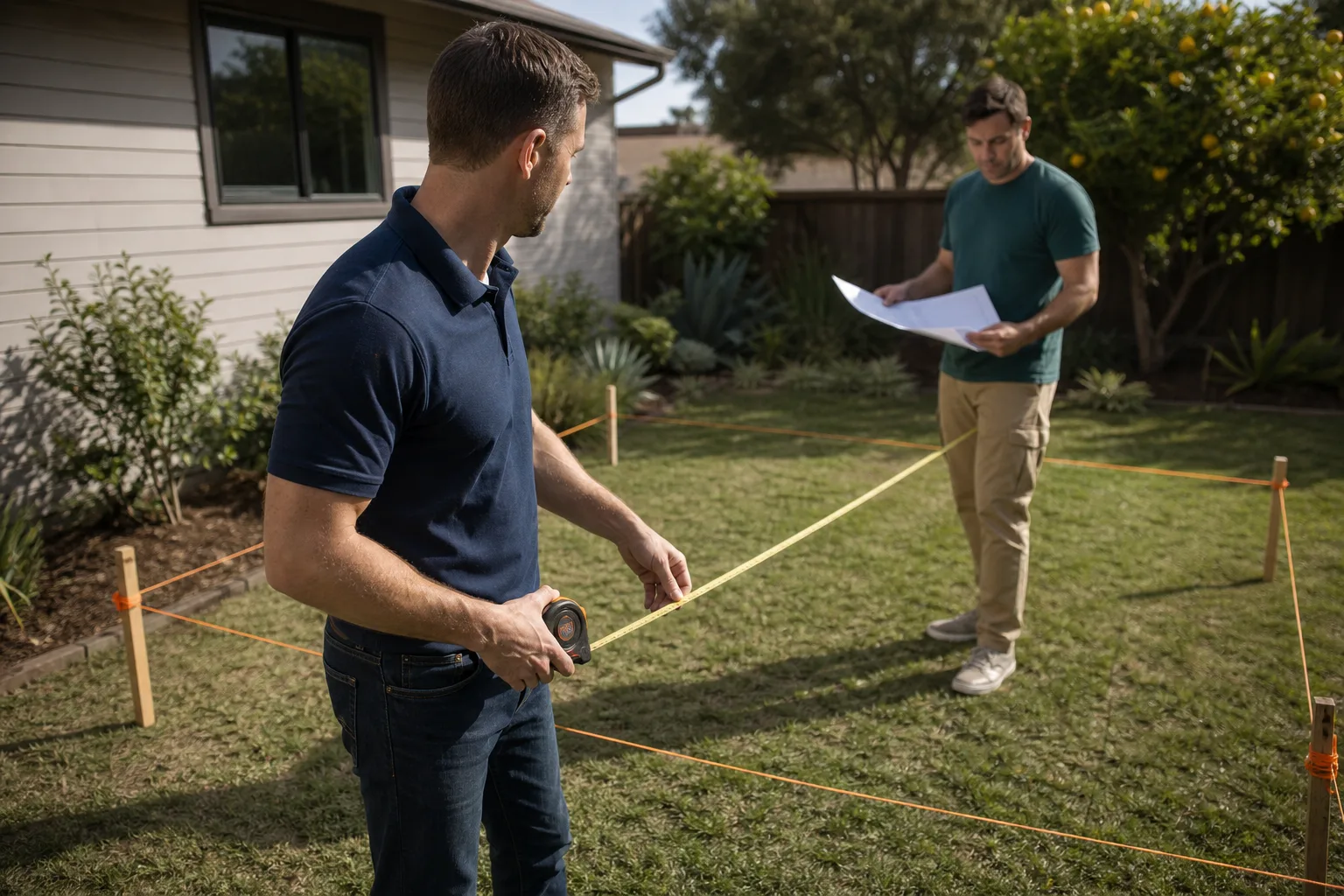
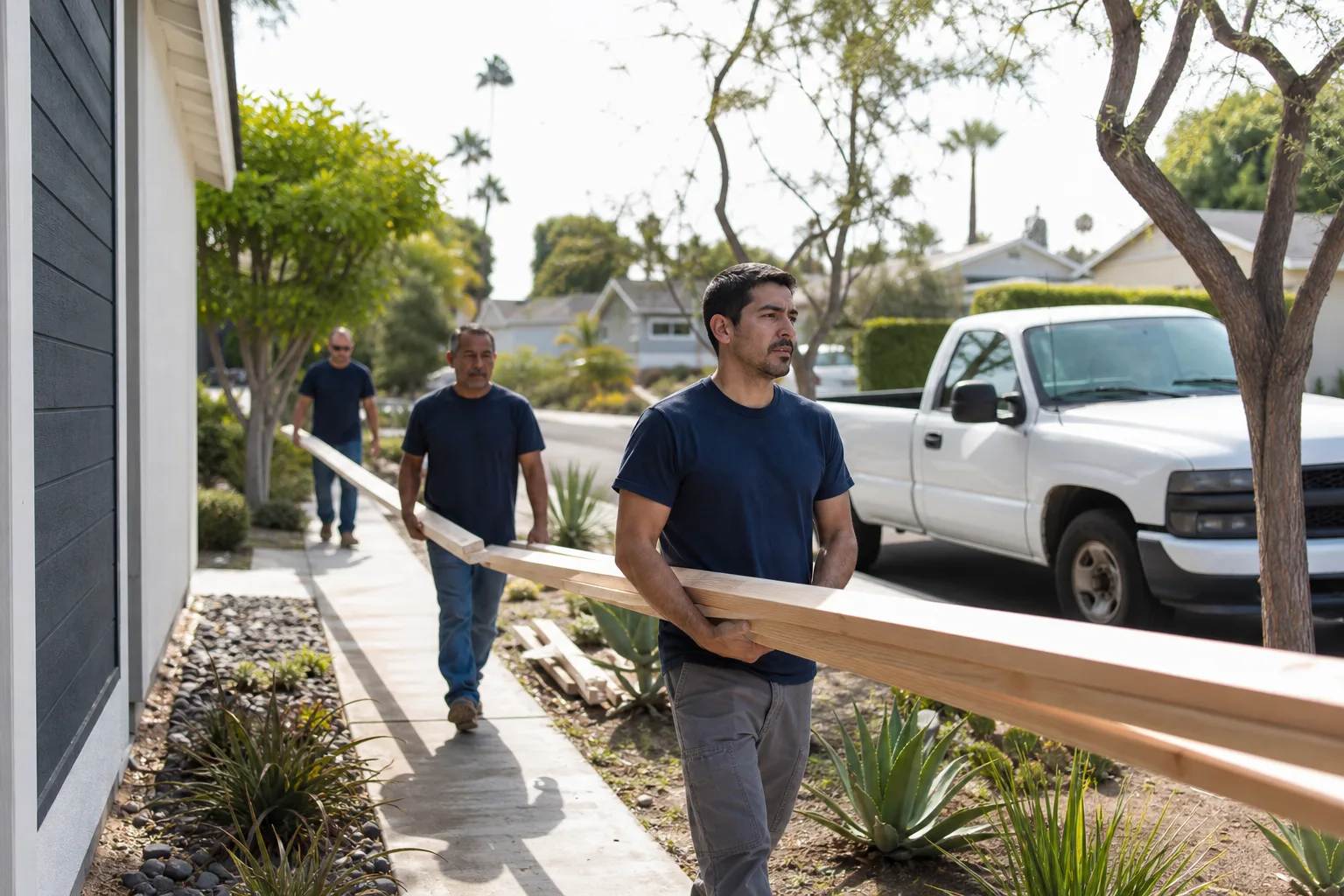
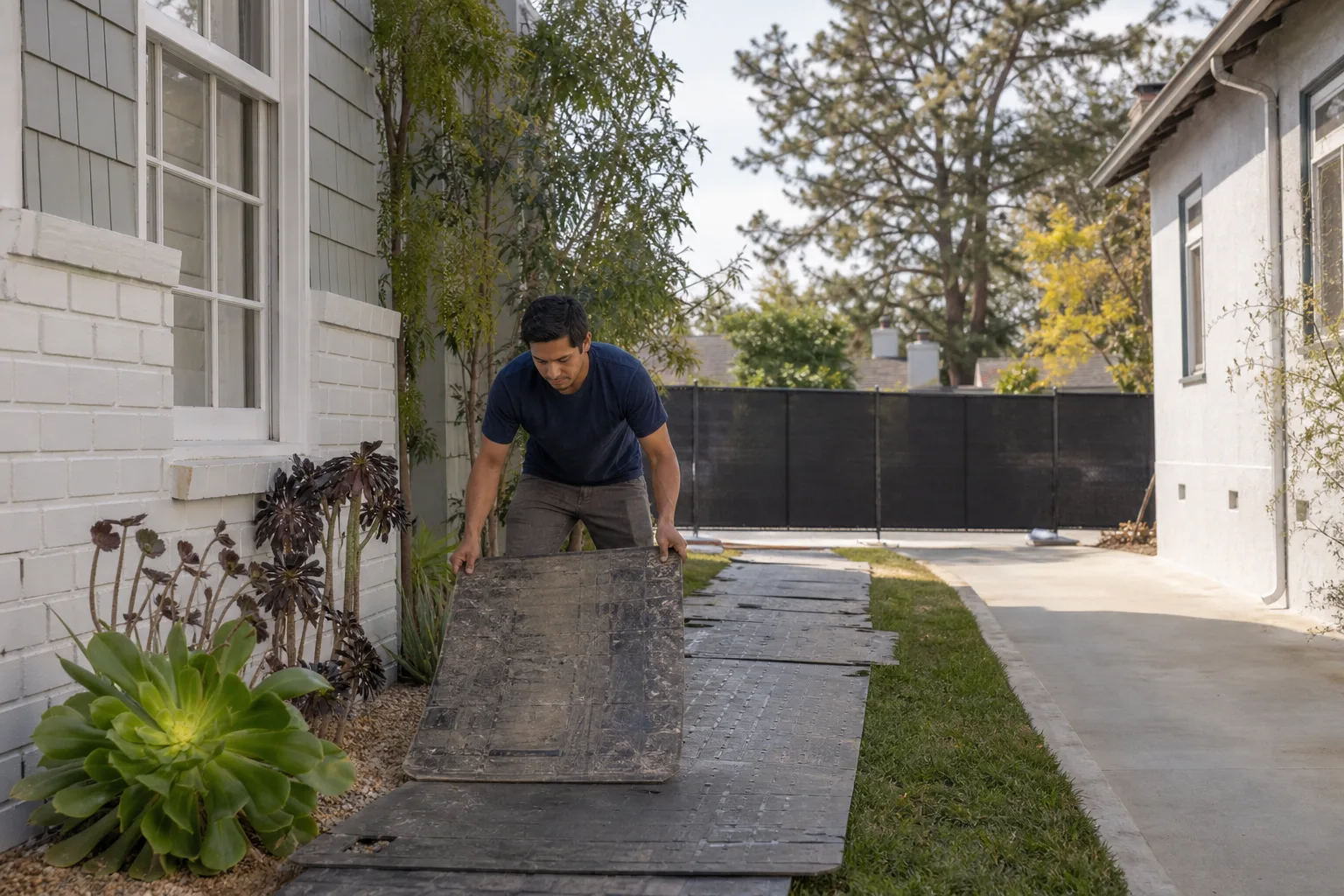
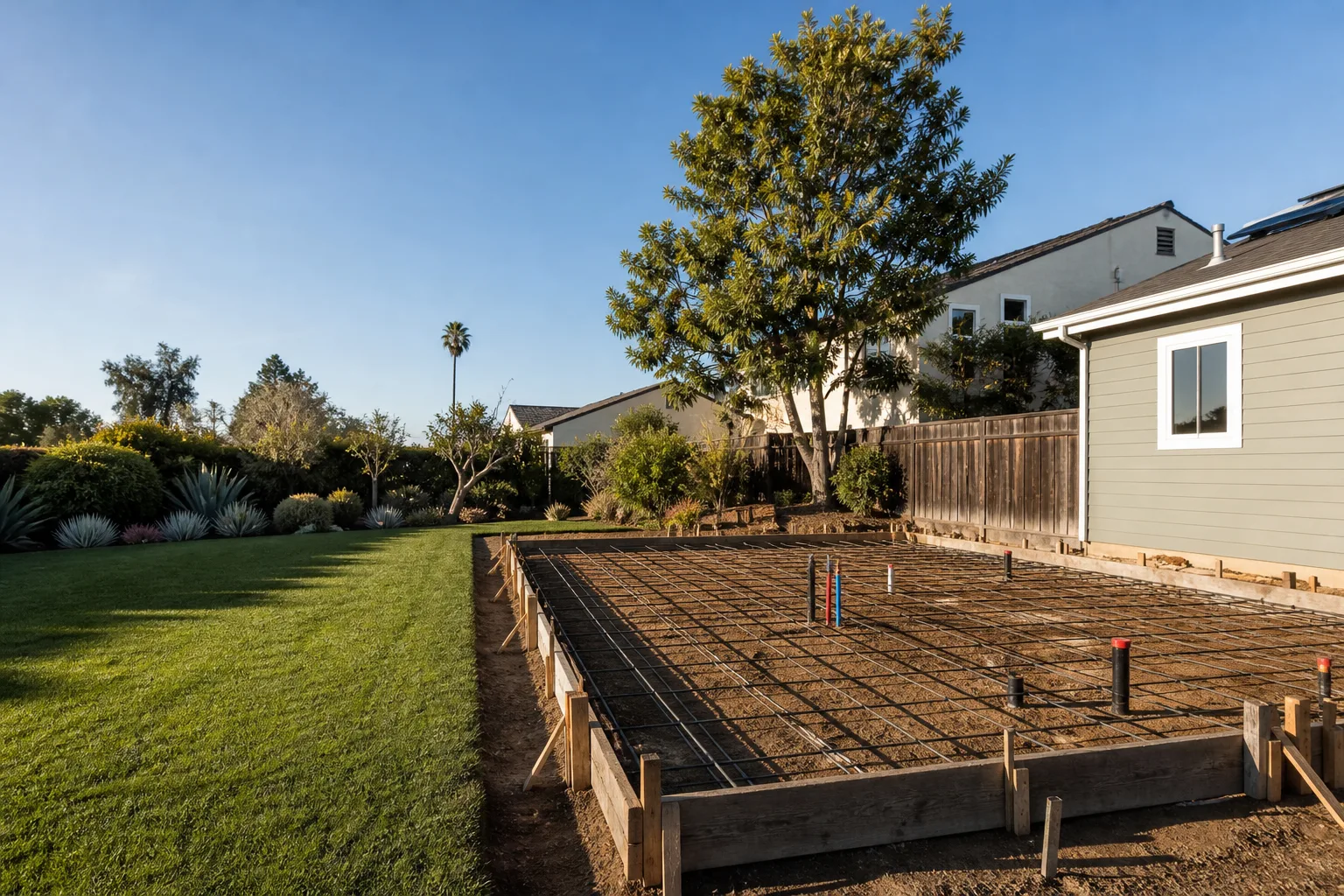
Site prep is the part of a Cover project nobody posts about on Instagram. It’s the trenching, the grading, the sewer lateral, the water stub, the electrical run, and the pad itself. When it’s done right, the Cover module lands and connects in a day or two. When it’s not, the module sits on a trailer while permits go sideways. We’ve fixed enough of those situations in Woodland Hills to know exactly what fails first.
Which Cover Models This Applies To
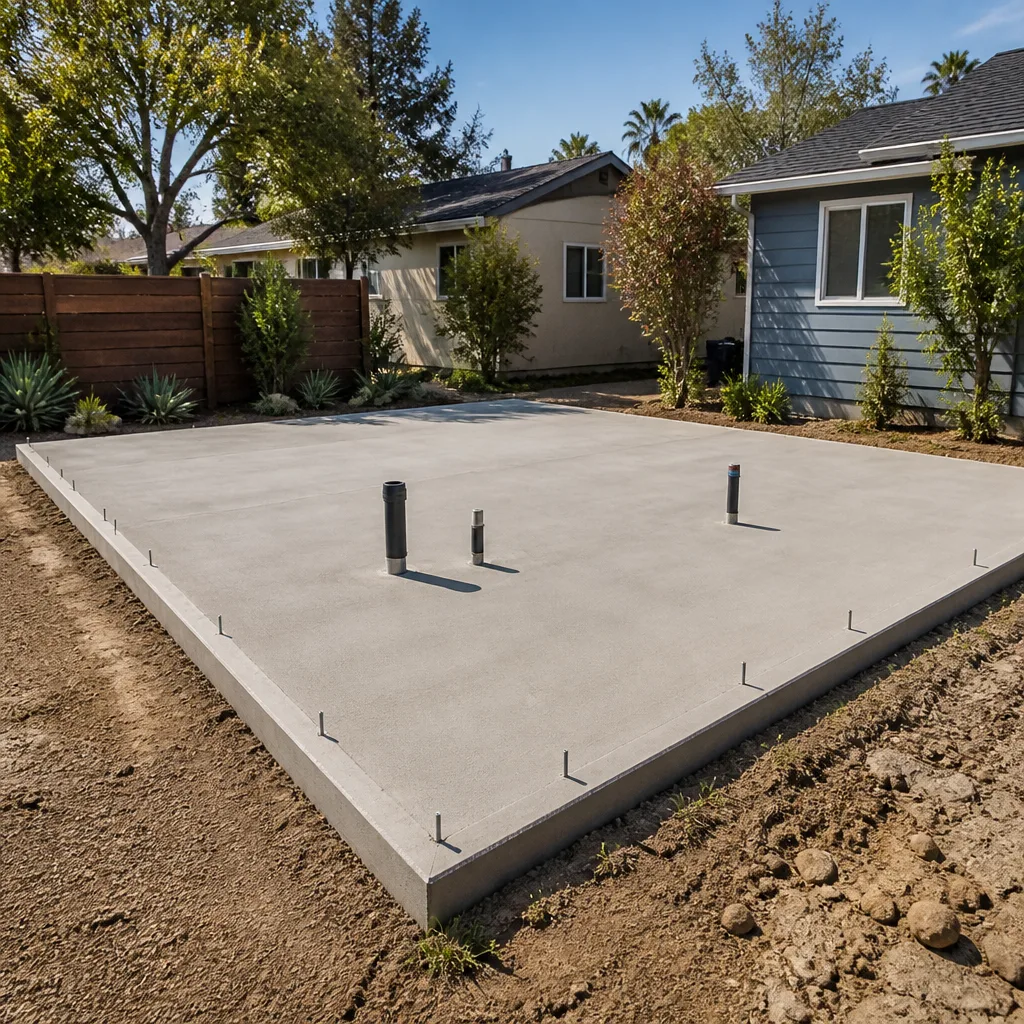
Site prep and utilities apply to every Cover unit, but the specifics change by series. The Cover S (studio, roughly 300 to 500 square feet) typically needs a 100-amp subpanel, a single water stub, and a standard 4-inch sewer lateral. The Cover S2 and larger two-bedroom units often require 125 to 150 amps of dedicated capacity, a larger water main tap, and in some Woodland Hills lots with older clay pipe, a full sewer lateral replacement rather than a simple tie-in.
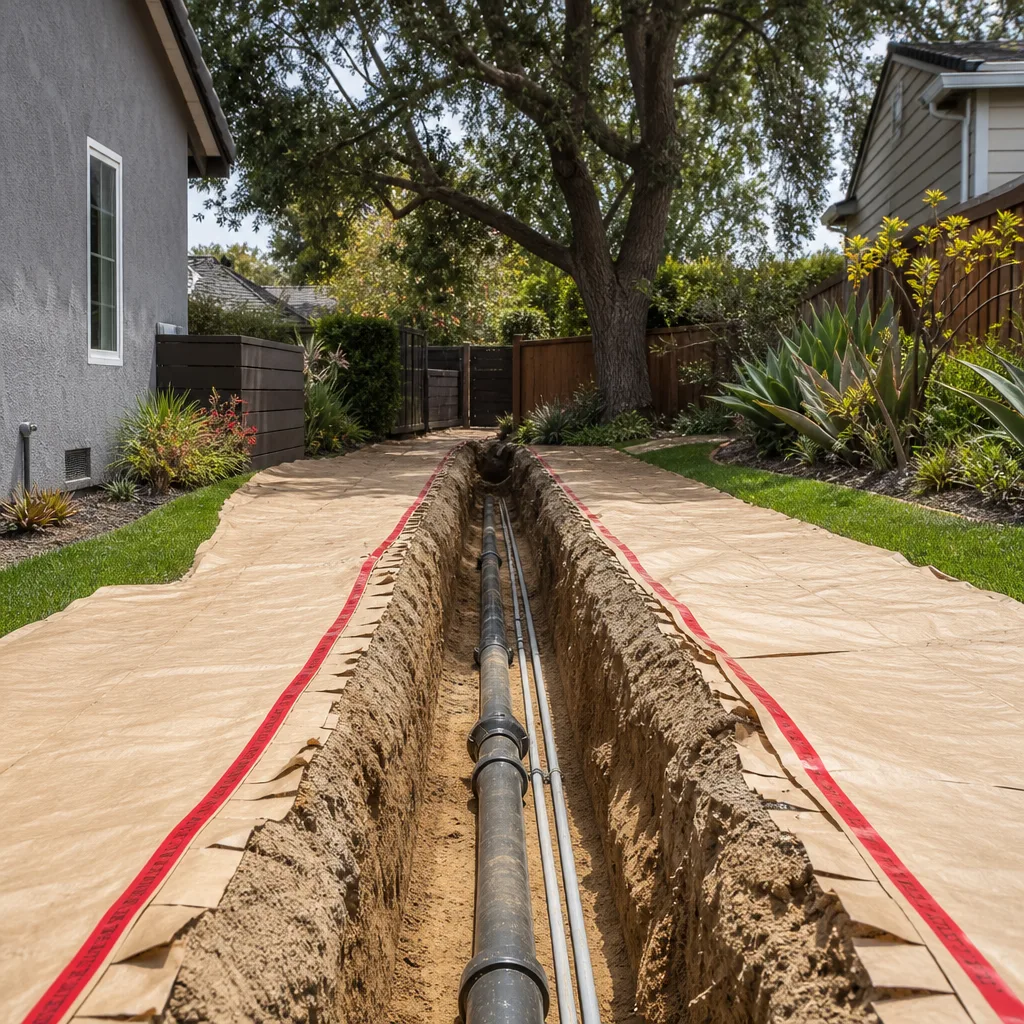
Here’s a compatibility gotcha we run into at least once a month: the panel location on a Cover unit is fixed by the factory. You can’t decide after the fact to flip the electrical connection to the other side. The trench route has to be staked before the permit drawings are final. If the utility route crosses a protected tree’s root zone in Woodland Hills, the city requires air excavation or a root-sensitive path, which changes the cost materially. We always confirm the utility route against the actual panel side before we submit plan check.
Most of what we install is standard plumbing, electrical, and concrete work rather than Cover-labeled parts. Where Cover-specific components do appear, they’re usually in the connection assembly: the factory-supplied utility junction panel, the module-to-ground anchors, and the water-heater connection stub. We install OEM Cover connection hardware when the unit ships with it, and we use code-approved equivalent hardware when a replacement is needed. There is no good reason to pay a premium for a name on a 4-inch ABS sewer tee.
Signs Your Cover Site Prep & Utilities Is Failing
- Water pressure drops after the unit is connected. This usually means the water stub was undersized, or there’s a crimped line between the main and the module. In Woodland Hills, where many homes run 3/4-inch service lines, an undersized tap will show up within the first week.
- The panel breaker trips when the mini-split and water heater run together. Cover’s electrical draw is predictable, but only if the panel was sized correctly. A 100-amp subpanel on a unit that needs 125 will trip under normal use. We check the load calculation before we touch anything.
- Water pools next to the pad after rain. Grading failure or missing drainage means the pad is taking water toward the unit instead of away. Southern California gets hard, fast rain, and a small slope error turns into a big problem in one winter.
- The sewer line gurgles inside the unit. If the drain was tied into a vent, a sag, or an existing line that was already near capacity, you’ll hear it and you’ll smell it. This is the symptom we never ignore on a callback.
- The unit settles or the connection flanges separate. If the soil under the pad wasn’t compacted enough, the pad shifts. Cover units are built to tight tolerances, and even a half-inch of settlement will show up at the connection points.
Replacement Cost & What’s Included
For a Cover unit in Woodland Hills, plan on these installed ranges:
- Site pad and grading: $6,000 to $14,000 depending on soil conditions and pad size
- Electrical subpanel and run: $3,500 to $8,000 based on distance from the main panel and amperage
- Water line and sewer tie-in: $2,500 to $7,000 depending on tap fees and trench length
- Trenching and backfill: $2,000 to $5,000 when rock or roots are present
- Permit fees and plan check: $1,500 to $4,000 depending on scope and city requirements
Every estimate we give in Woodland Hills is a written line-item price before any work starts. You’ll see the cost of the trench per foot, the panel, the labor, and the permit fees separately. No change order shows up later because we hit a root or found old clay pipe; we carry the contingencies in the written number so the price you approve is the price you pay. All of our site prep and utility work carries a workmanship warranty, and the whole project is covered by our 365-Day Done Right Promise, in writing. If it’s not right, we make it right.
DIY or Call Us?
What you can safely do yourself: walk the lot and mark where you think utilities should run. Take photos of the panel, the water main, and the existing sewer cleanout. Call DigAlert before any digging, which is free and required by law. That’s where a careful owner should stop.
Everything beyond that involves a trench, a live panel, or a sewer line, and those are not weekend projects. Trenching hits gas lines and power lines when the locates are off by two feet. Tapping a main panel without experience is dangerous, and a sewer tie-in done wrong will leak under your new unit. We’ve been called to Woodland Hills homes where a well-meaning owner or a handyman saved $2,000 on labor and spent $9,000 fixing groundwater damage a year later. If you want to price the full job, call us at (559) 249-3776. We’ll walk the lot and give you a written number.
FAQs
A properly built pad, trench, and utility connection should last 30 to 50 years, which means the site prep will outlive the unit itself. The weak points over time in Woodland Hills are usually tree roots reaching into sewer lines, and soil movement when the ground cycles between wet winters and dry summers. We use Schedule 40 pipe, root-barrier cleanouts where trees are nearby, and compaction testing on every pad for that reason.
Yes, in specific cases. A sagged sewer line can sometimes be relined rather than dug up. A panel can be reconfigured if there’s spare capacity. A pad with minor cracking can be sealed. But if the utility route was installed incorrectly from the start, or the pad wasn’t compacted, repairs usually cost close to replacement anyway, and the original flaw is still there. Call (559) 249-3776 and we’ll tell you which situation you’re in.
Plan on two to five working days once permits are approved. Trenching and rough plumbing usually take one to two days, the panel and electrical work a day, the pad and grading another day or two, and then we schedule the city inspection. Concrete needs time to cure before the module arrives, so we build that into the schedule.
Yes. Our trucks carry the common components: Schedule 40 ABS and PVC, code-approved junction boxes, subpanels up to 150 amps, water main taps, and the anchor hardware Cover units require. When a Cover unit ships with proprietary connection hardware, we install that hardware exactly as specified. If a piece needs replacing, we source a code-approved equivalent rather than making you wait on a factory part that does the same job.
Written by Ben Ortega, Owner, Seedling ADU Woodland Hills at Seedling ADU Woodland Hills, serving Woodland Hills and nearby areas.