Last updated October 15, 2026
ADU Permits, Codes & Inspections in CA: What You Need to Know
California’s ADU laws changed in a way most homeowners don’t fully grasp until they’re standing at a permit counter. AB 2221 and the state’s years of preemption statutes stripped local cities of much of their power to say no to an ADU. But here’s what the headlines miss: the state cleared the zoning path without clearing every local agency’s requirements. The fights that used to happen at the planning counter in Woodland Hills now happen at the Department of Building and Safety, the fire department, and the utility company, often in the same week. This guide maps the real permitting journey, including the stops most guides skip, so you know exactly what to expect before the first plan sheet is drawn. For The Complete Guide to ADU in Woodland Hills, see our deeper resource.
Quick Answer
ADU permits in California require approval from your local building department (LADBS for Woodland Hills), fire authority review in hillside zones, and utility confirmation from LADWP and often SoCalGas. The process typically takes 4 to 9 months from plan submittal to permit issuance, with inspections running concurrently through construction. Permits for a standard detached ADU in Woodland Hills generally cost $3,200 to $7,500 depending on size and site conditions.
Table of Contents
- Ministerial Approval vs. What LADBS Still Requires in Woodland Hills
- The Stage-by-Stage Permit Map: Timelines That Match Reality
- Fire Sprinkler Requirements and the VHFHSZ Map
- Utility Approvals: LADWP and SoCalGas Run on Their Own Clock
- Permit Ready vs. Permit Pulled: Why the Distinction Matters
- What ADU Permits Actually Cost in Woodland Hills
- Common Mistakes to Avoid
- When to Call a Professional
- Frequently Asked Questions
- The Bottom Line
Ministerial Approval vs. What LADBS Still Requires in Woodland Hills
State law says ADUs must receive ministerial approval, which means no discretionary hearings, no neighborhood input, no planning commission vote. If your ADU meets the objective standards, the city must approve it. That part is true and it has been a genuine shift in California. But ministerial approval only means the zoning question is settled. It does not mean the building department waives its structural review.
In Woodland Hills, LADBS still reviews every ADU for foundation design, shear wall requirements, roof framing, and seismic detailing. Los Angeles sits in a seismic zone that demands full engineering on even a 600-square-foot accessory dwelling unit. We regularly see plans come back from plan check with corrections on holdowns, anchor bolts, and lateral bracing because the homeowner thought a backyard cottage could be built like a shed-one of the ADU Warning Signs: A Woodland Hills Homeowner’s Reference Guide we see too often. It cannot.
What LADBS reviews on every Woodland Hills ADU:
- Structural drawings: full engineering, wet-stamped by a California-licensed engineer or architect
- Title 24 energy calculations: mandatory for every ADU, even garage conversions
- Fire separation from the primary residence for attached units and conversions
- Setback verification: 4-foot side and rear setbacks for detached ADUs under state law, but local hillside overlays can impose additional front-yard or slope conditions
- Soils report requirements on steep lots in the hills south of Ventura Boulevard
- Electrical service capacity from the panel to the new unit
What the state did is remove the discretionary hearing. What it did not do is remove the engineering. Homeowners who understand that distinction avoid the most common source of permit frustration in Woodland Hills: resubmitting plans three times because the submittal package was incomplete on day one. Seedling ADU Woodland Hills prepares every submittal package to LADBS standards before the first plan check appointment, which is why our clients skip the correction cycle that burns months for others. Our ADU Builders in Woodland Hills team handles full permit coordination as part of every project.
The Stage-by-Stage Permit Map: Timelines That Match Reality
Most guides list permit steps in the abstract. Here is what the calendar actually looks like for a detached ADU in Woodland Hills, based on what we see across dozens of projects in the 91364, 91367, and 91303 zip codes.
Step 1: Pre-application and due diligence (2 to 4 weeks)
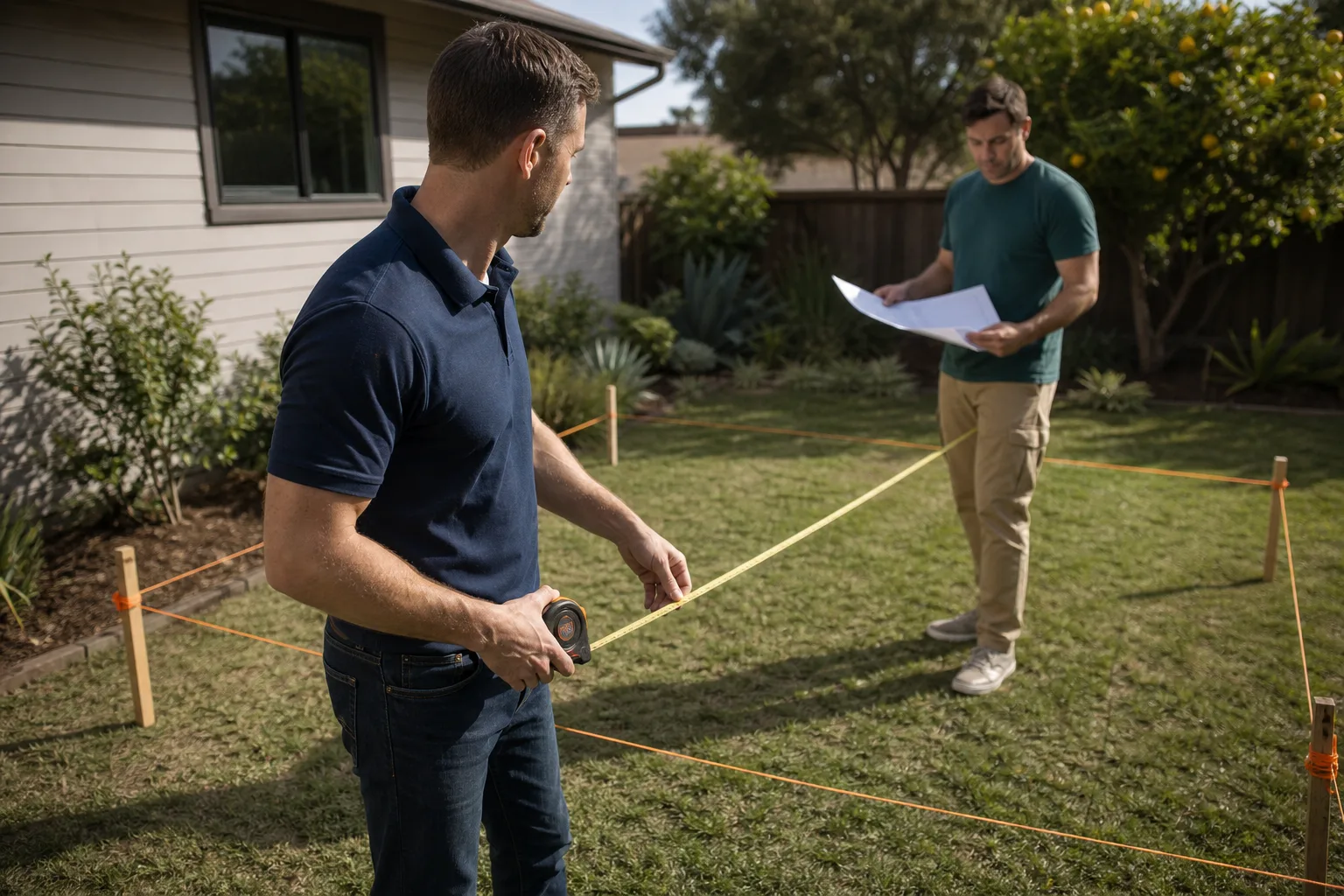
Before drawings start, you need a property-specific feasibility check. This means pulling the lot’s zoning, checking the Hillside Ordinance overlay if applicable, verifying the sewer lateral location, and confirming utility service points. In Woodland Hills, lots north of the boulevard often sit in hillside zones with additional grading and drainage review. Lots south of Ventura Boulevard are flatter and typically move faster through the site review stage.
Step 2: Plan preparation (4 to 8 weeks)
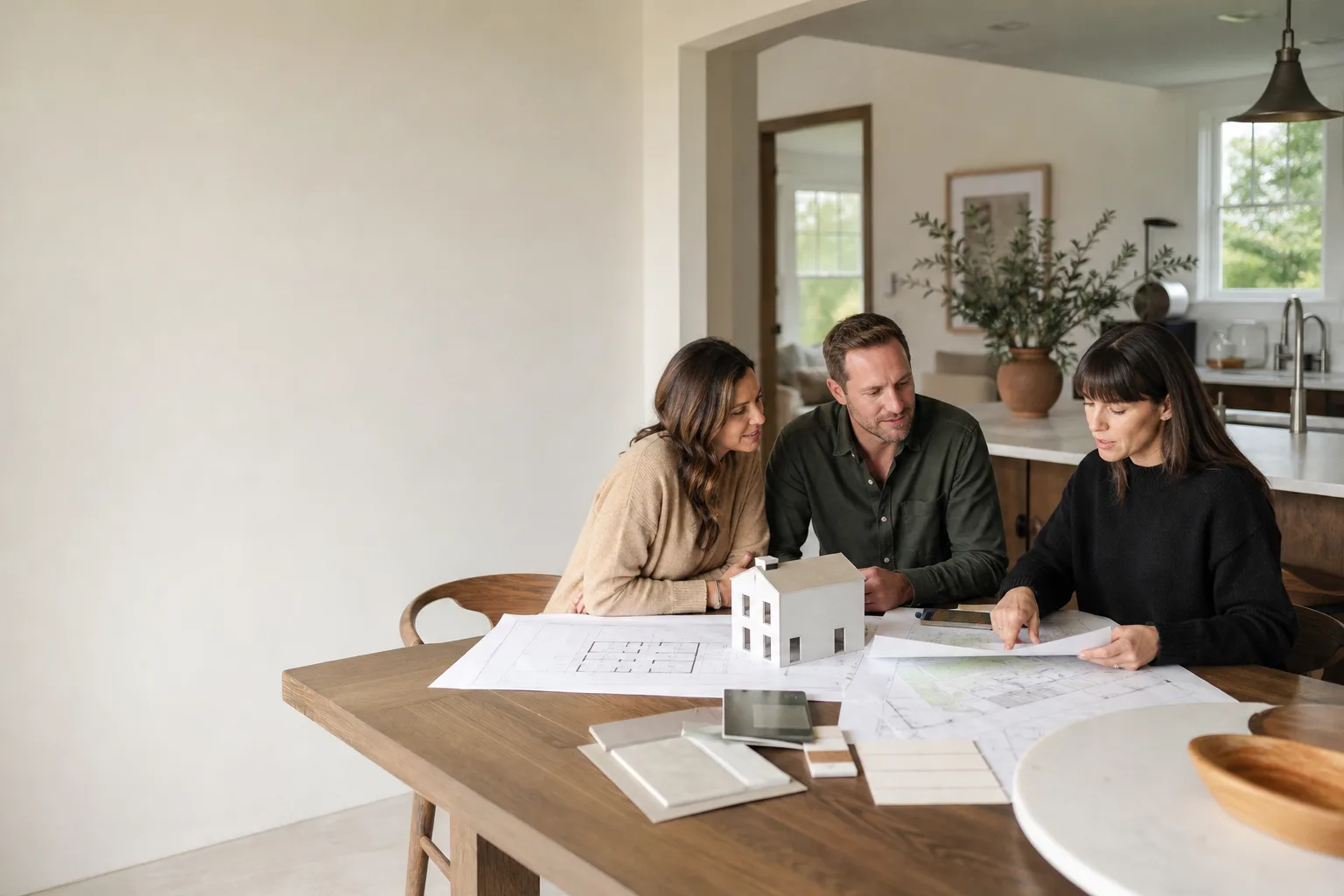
Full architectural drawings, structural engineering, Title 24 energy compliance, and site plans. This is where the cost and timeline get set. A competent design team will produce a submittal-ready package; a less experienced one will produce a package that gets kicked back for missing sheets. We see the difference every month.
Step 3: Plan check and correction cycle (4 to 12 weeks)
LADBS plan check for a standard ADU runs 3 to 6 weeks for the first review. If corrections are needed, each resubmittal adds 2 to 4 weeks. The median project in our pipeline requires one correction cycle. The worst we have seen required four. The difference is almost always the quality of the original submittal, not the complexity of the project.
Step 4: Permit issuance (1 to 2 weeks after approvals)
Once all departments sign off (building, fire if triggered, sometimes public works for sewer), the permit is issued and fees are due. This is the point where site work can legally begin.
Step 5: Rough inspections (4 to 7 months during construction)
Foundation, framing, electrical rough, plumbing rough, and mechanical rough inspections happen in sequence. LADBS inspectors visit the site at each required hold point. Expect 8 to 12 inspections total for a standard detached ADU. Missing an inspection window can pause the job; scheduling them efficiently is its own skill.
Step 6: Final inspection and certificate of occupancy (1 to 2 weeks at project end)
The building inspector walks the finished unit, verifies every system, and signs off. The ADU gets its certificate of occupancy. This is the document that makes the unit legal to rent or occupy as a dwelling.
For a realistic total: plan on 4 to 9 months from signed design agreement to permit in hand, and 8 to 14 months from contract to move-in. These are Woodland Hills figures, not statewide averages. Your specific site may run longer if it involves hillside grading, sewer line relocation, or fire department review, which we cover next.
Fire Sprinkler Requirements and the VHFHSZ Map
Woodland Hills sits at the edge of the Santa Monica Mountains, which means parts of the community fall inside the Very High Fire Hazard Severity Zone, or VHFHSZ. The VHFHSZ map is published by Cal Fire and adopted by the Los Angeles Fire Department. Whether your lot falls inside that boundary determines whether your ADU gets a fire sprinkler requirement that can cost $6,000 to $12,000 extra.
Here is the rule as it currently applies: if your ADU is in the VHFHSZ and is detached from the primary residence, fire sprinklers are required regardless of size. If your ADU is attached to the primary home, state law does not force you to retro-sprinkle the whole house, but local amendments can still require sprinklers in the new attached unit. The details matter and they change by address, not by neighborhood. We have seen two homes on the same Woodland Hills street get different fire requirements because the VHFHSZ boundary cut between them.
What triggers a sprinkler requirement in Woodland Hills:
- VHFHSZ location: any detached ADU inside the zone
- Poor fire department access: narrow streets, steep driveways, or long lot depths in the hills
- Water pressure limitations: if LADWP cannot confirm adequate flow for firefighting, sprinklers become the mitigation
- Garage conversions: the change from non-habitable to habitable space triggers building code review for fire separation, and in VHFHSZ areas, sprinklers often follow
If your project triggers sprinklers, the plumbing design changes. You need a dedicated sprinkler riser, flow calculations, and an LADBS plumbing plan check that most general contractors do not prepare in-house. This is another reason the submittal quality matters so much: the fire requirement cascades into the plumbing drawings, the electrical drawings, and sometimes the water service sizing. Plan for it at the front or pay for it in the correction cycle.
Utility Approvals: LADWP and SoCalGas Run on Their Own Clock
Your building permit can be issued and in hand while your utility approvals still sit in pending. That is not a hypothetical; it is the most common timeline surprise in the Woodland Hills ADU process.
LADWP must confirm electrical service capacity for the new ADU. For most lots, this means submitting an electrical load calculation and waiting for the utility’s engineering review. The LADWP response can take 3 to 8 weeks in our current experience, and if the transformer serving your street is near capacity, the review can trigger a service upgrade requirement. That upgrade, if needed, adds $5,000 to $20,000 and runs on LADWP’s construction schedule, not yours.
SoCalGas is the parallel story for any ADU with a gas appliance. A separate gas meter for the unit requires SoCalGas approval, a meter location plan, and sometimes a pressure test. The meter installation itself is scheduled by the utility and can lag the building permit by weeks. In our experience, the smart sequencing is to file utility applications at the same time as the building permit application, not after the permit issues. Homeowners who file utilities late watch a permitted project sit unstaged while the gas meter waits for a service tech.
Utility approvals that run in parallel to your building permit:
- LADWP electrical service confirmation: load calculation review, possible panel or service upgrade
- SoCalGas meter application: new meter location, service sizing, installation appointment
- Sewer connection verification: if your ADU is detached, the sewer lateral connection must be confirmed by the city or county sewer authority
- Water service sizing: in hillside lots, the water pressure to the ADU may need a booster pump, which is its own utility and plumbing review
None of these approvals are optional. Your building permit does not override the utility companies. But they can all be filed early and tracked in parallel, which is exactly what a coordinated permit team does. Our Home Addition Contractor in Woodland Hills services run the same utility coordination for ADUs, additions, and conversions.
Permit Ready vs. Permit Pulled: Why the Distinction Matters
“Permit ready” is a marketing phrase. “Permit pulled” is a legal status. The difference matters more than most homeowners realize, especially when a builder implies the first while charging for the second.
A permit-ready ADU is a set of plans that has been prepared to submittal standards but has not yet been approved by LADBS. It is ready to submit. It has not been submitted, reviewed, corrected, or approved. A permit-ready plan package can still receive corrections. It can still encounter fire department review it was not designed for. It can still fail plan check.
A permit-pulled project means LADBS has approved the plans, all required departments have signed off, fees are paid, and the permit card is in hand. Construction can legally begin. Any work done before this point, including site prep, demolition, trenching, or foundation work, is unpermitted work in the eyes of the city.
We see this mistake most often with garage conversions in Woodland Hills. A homeowner hires a contractor who says the project is “permit ready” and encourages them to start clearing the garage. Then the plan check comes back with a correction, the scope changes slightly, and the city asks what work was done before approval. Fixing an unpermitted start is more expensive than waiting for the permit. Always wait. The corollary: never pay a contractor for “permit pulled” status without seeing the actual permit card with the LADBS permit number on it.
What ADU Permits Actually Cost in Woodland Hills
Permit fees are one line item in the total project cost, but families planning a Woodland Hills ADU should see the full range before they commit. Here is what we tell every client, based on current LADBS fee schedules and our project history in the area.
| Line Item | Typical Range in Woodland Hills |
|---|---|
| LADBS plan check and permit fees (600-1,000 sq ft ADU) | $3,200 to $7,500 |
| School district fees (LAUSD, based on square footage) | $1,800 to $4,200 |
| Fire department review and sprinkler (if VHFHSZ triggered) | $6,000 to $12,000 |
| LADWP electrical service upgrade (if required) | $5,000 to $20,000 |
| SoCalGas meter and connection | $1,500 to $4,000 |
| Soils report and grading review (hillside lots only) | $2,500 to $6,000 |
| Structural engineering (included in plan prep, shown separately in some contracts) | $3,000 to $8,000 |
These figures are for planning purposes, not quotes. Your specific lot conditions, ADU size, and utility capacity drive the final number. What we guarantee is the process: a written price before any work starts, with no surprise line items added after crews arrive. That is the standard on every Seedling project, whether the unit comes from Dvele, Mighty Buildings, or a custom stick-built design.
Common Mistakes to Avoid
- Starting site work before the permit is pulled. In Woodland Hills, LADBS enforcement can issue a stop-work order and require the unpermitted work to be exposed for inspection. Exposing work that was already finished is more expensive than waiting for the permit.
- Ignoring the VHFHSZ map at the start. Fire sprinklers change the plumbing design, the electrical load, and the project budget. We have seen homeowners discover a sprinkler requirement at plan check and lose two months redesigning.
- Assuming the utility companies move at building department speed. LADWP and SoCalGas do not coordinate with LADBS. File utility applications when you file the building permit, not after it issues.
- Paying a contractor for “permit pulled” without seeing the permit. The LADBS permit card has a permit number. Ask for it. If the contractor cannot produce it, the project is not legally permitted.
- Skipping the soils report on a hillside lot. The hills south of the 101 in Woodland Hills have expansive soils in some pockets. A foundation designed without a soils report can pass plan check and then fail at the foundation inspection, which means foundation redesign mid-build.
- Confusing “permit ready” with “permit pulled.” One is a plan package. The other is a legal authorization. Never begin demolition on the strength of the first.
- Not budgeting for school district fees. LAUSD fees apply to new habitable square footage and appear at permit issuance. They are not optional and they are not refundable.
When to Call a Professional
If your Woodland Hills lot is in a hillside zone, inside the VHFHSZ, or more than 150 feet from the sewer lateral, call a professional before you spend a dollar on plans. These site conditions compound each other: a hillside lot in the fire zone with a long sewer run triggers grading review, fire department review, and sewer connection review simultaneously. Most homeowners are not equipped to coordinate that sequence.
The same applies if your electrical panel is under 100 amps and you plan to add an ADU. The panel upgrade is its own permit, its own utility review, and its own cost center. A contractor who includes the panel work in the ADU scope, with a written price, saves you the frustration of discovering a $15,000 upgrade in the middle of the build. Seedling ADU Woodland Hills offers free estimates in Woodland Hills, call (559) 249-3776. Ben Ortega and the team will walk your lot, check the VHFHSZ map, and give you a written price before any work starts. No pressure, no vague promises, just the numbers and the timeline.
Frequently Asked Questions
Plan on 4 to 9 months from complete submittal to permit issuance for a standard detached ADU in Woodland Hills. Projects inside the VHFHSZ or on hillside lots run on the longer end. The single biggest variable is plan check corrections, which can be minimized with a submittal-ready package. Call (559) 249-3776 if you want a project-specific timeline for your lot.
No. Fire sprinklers are required only for detached ADUs inside the Very High Fire Hazard Severity Zone, or for projects that trigger a fire department access or water pressure condition. Lots south of Ventura Boulevard in flatter areas often avoid the sprinkler requirement entirely. We verify the VHFHSZ status for every Woodland Hills project before design begins.
Permit ready means the plans are prepared to submittal standards but have not been approved by LADBS. It is not the same as a permit in hand. Always ask to see the LADBS permit number before any work starts. A reputable contractor will show you the permit card without hesitation.
No. Garage conversions in Woodland Hills require a building permit, and the work is inspected by LADBS. An unpermitted conversion cannot be rented legally and can create problems when you sell the home. Our Garage Conversion Contractor in Woodland Hills team manages the permit and inspection process as part of the project.
LADBS plan check and permit fees for a 600 to 1,000 square foot ADU in Woodland Hills typically run $3,200 to $7,500. School district fees, utility fees, and fire fees are separate line items. A complete fee estimate should include all of them, in writing, before you sign a contract.
The permit fees themselves are fixed by LADBS at issuance. What can change is the scope of work if plan check corrections add systems (like fire sprinklers) that were not in the original design. This is why front-loading the feasibility work matters: a well-prepared submittal package catches sprinkler requirements, panel upgrades, and soils conditions before they become mid-project surprises.
The Bottom Line
California cleared the zoning path for ADUs, but the permit journey still runs through LADBS plan check, fire department review in hillside zones, and utility approvals that move on their own calendar. Woodland Hills families who understand the process, budget for the real fees, and never start work before the permit is pulled are the ones who finish on schedule and on budget. Get a written price, verify the VHFHSZ status of your lot, file utilities early, and insist on seeing the permit card. That is the whole game. Call (559) 249-3776 for a free estimate, and we will walk your property and give you the real numbers before you commit. Explore more guides & resources on our blog.
Written by Ben Ortega, Owner at Seedling ADU Woodland Hills, serving Woodland Hills since 2001. Learn more about our work at the Seedling ADU Woodland Hills home.