Cover Garage Conversion ADU: The Woodland Hills Owner’s Guide
We stock and install Cover-compatible garage conversion components throughout Woodland Hills, with most replacement parts running $220 to $1,400 installed depending on what failed and how it integrates with your existing structure. Most jobs are completed in a single visit, and we keep the common failure points on our trucks. Homeowners usually discover a problem the same way: a door that suddenly binds, a seal that won’t sit flush against the slab, or a roof panel that’s started letting water find its way behind the siding after a heavy San Fernando Valley rain.
If your Cover garage conversion is showing signs of wear, here’s something worth knowing upfront: Seedling ADU Woodland Hills is an independent service provider, not affiliated with Cover. What that means for you is we’re free to recommend the part that actually solves your problem, whether that’s an OEM Cover component or a quality aftermarket equivalent that costs less and lasts just as long in Woodland Hills heat. Ben Ortega and our crew have worked on enough Cover conversions near Warner Center and the neighborhoods south of Ventura Boulevard to know which parts tend to fail first, which ones are worth upgrading, and which ones you shouldn’t touch without someone who knows the system.
Key takeaways:
- Most Cover garage conversion replacement parts run $220 to $1,400 installed in Woodland Hills
- We stock common failure components on our trucks; most jobs are single-visit
- We’re independent of Cover, so we recommend what works, not what the brand dictates
- Every replacement gets a written price before work starts, backed by the 365-Day Done Right Promise
Which Cover Models This Applies To
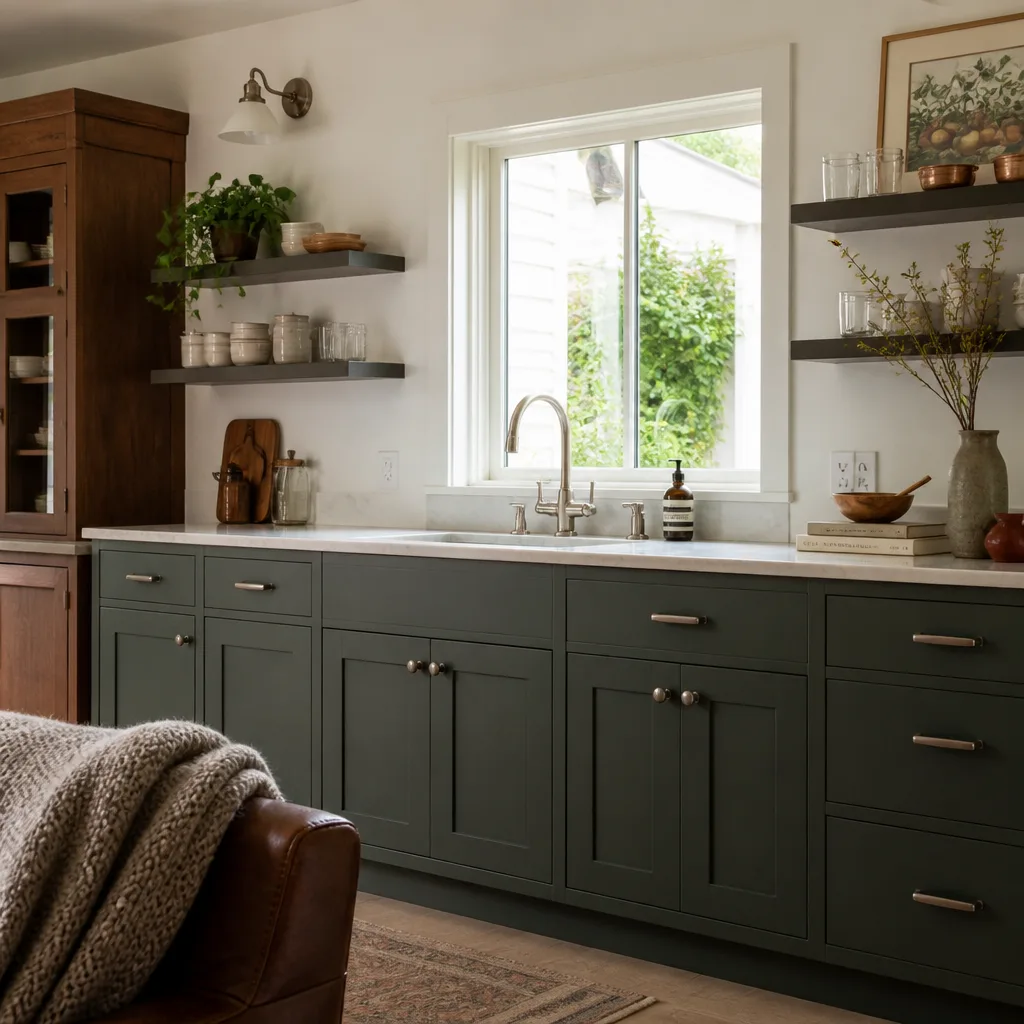
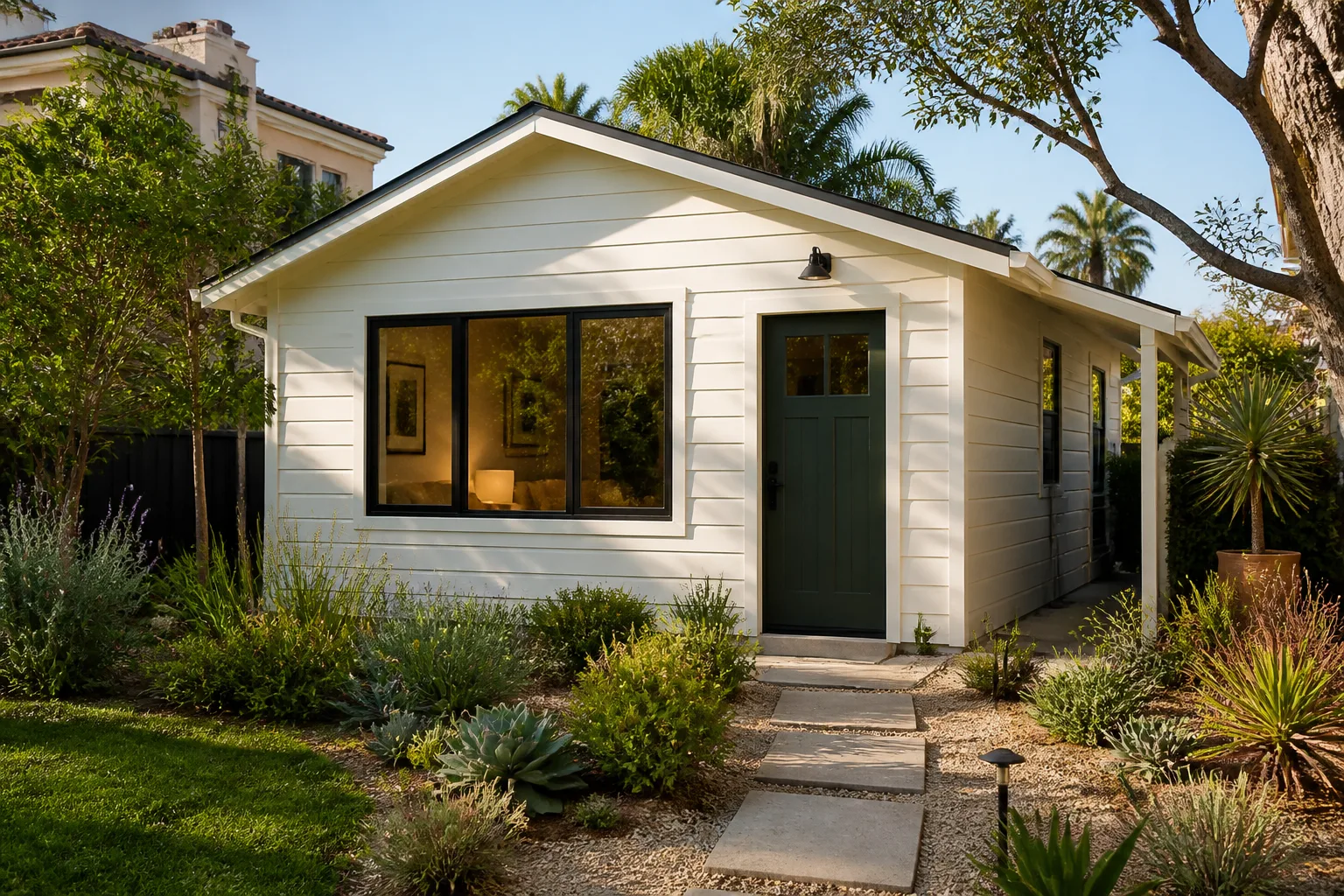
Cover’s garage conversion system uses a panelized steel frame with factory-cut openings for doors, windows, and utility chases. The most common service calls we see in Woodland Hills involve the Gen 1 and Gen 2 wall panel interfaces, particularly where a converted garage door opening was infilled with Cover’s custom wall sections. If you’re trying to identify what you have, look for a small stamped tag on the inside face of a wall panel, usually near a corner or alongside a window rough opening. It’ll show a serial number and a build date; that build date tells us more than the model name does, because Cover revised several panel connection details around 2021 and again in 2023.
For most Woodland Hills homeowners, the practical decision isn’t OEM versus aftermarket across the board. It’s about where the part lives in the system. Structural connectors, flashings, and the bottom track that anchors panels to the slab should be matched to Cover’s original spec, because those dimensions are precise and a sloppy fit shows up as a gap you can feel with your hand. Non-structural items, like interior trim, weatherstripping, and certain door seals, are more forgiving. We often recommend aftermarket equivalents there because they cost 30 to 50 percent less and the materials hold up better against the sun exposure a south-facing Woodland Hills garage gets between June and October.
One compatibility gotcha worth knowing: Cover panels have a slightly different reveal dimension than most off-the-shelf framing components. A standard 2×4 infill won’t land flush without shimming, and the shims are exactly what fail over time as the building settles. If someone tells you any generic part will work, they haven’t done this before.
Signs Your Cover Garage Conversion ADU Is Failing
- Water staining along the bottom of a wall panel or at the corner where the old garage slab meets the new wall. This usually means the bottom track seal has compressed or torn, and during winter rains, water wicks upward into the panel cavity. Left alone, it rusts the steel track from the inside.
- A door that scrapes the floor or rubs against the jamb on one side. Cover conversions sit on existing garage slabs, and Woodland Hills clay soil expands and contracts with moisture. What started as a perfectly square opening drifts by a quarter-inch over a few years, and the door hardware binds as a result.
- Wall panels that creak or pop when temperatures swing. Some thermal movement is normal, but a sharp pop that repeats in the same spot usually points to a connector that’s worked loose or a panel seam that wasn’t shimmed correctly during the original install.
- Visible rust blooming at screw heads or along panel edges. This is more common on conversions within a mile or two of the coast-adjacent humidity corridors that push moisture up through Topanga and into the western Valley. Once the coating is breached, the panel skin starts degrading faster than Cover’s spec sheet suggests.
- A musty smell inside the unit after rain, even when nothing looks wet. That’s often a flashing detail at the roofline or an improperly lapped vapor barrier. The water may be traveling inside the wall cavity, which means the visible interior may look fine while the structure quietly holds moisture.
Replacement Cost & What’s Included
In Woodland Hills, expect to pay between $220 and $1,400 installed for most Cover garage conversion component replacements. At the lower end, that’s a door sweep, a bottom track seal, or a section of weatherstripping. Mid-range work like replacing infill panel trim, adjusting door hardware, or repainting a sealed seam runs $450 to $800. If we’re pulling a wall panel to access a corroded connector or replacing a failed flashing at the roofline, you’re looking at $900 to $1,400, with the labor being the larger share because of the care involved in removing and re-seating a Cover panel without damaging the adjacent sections.
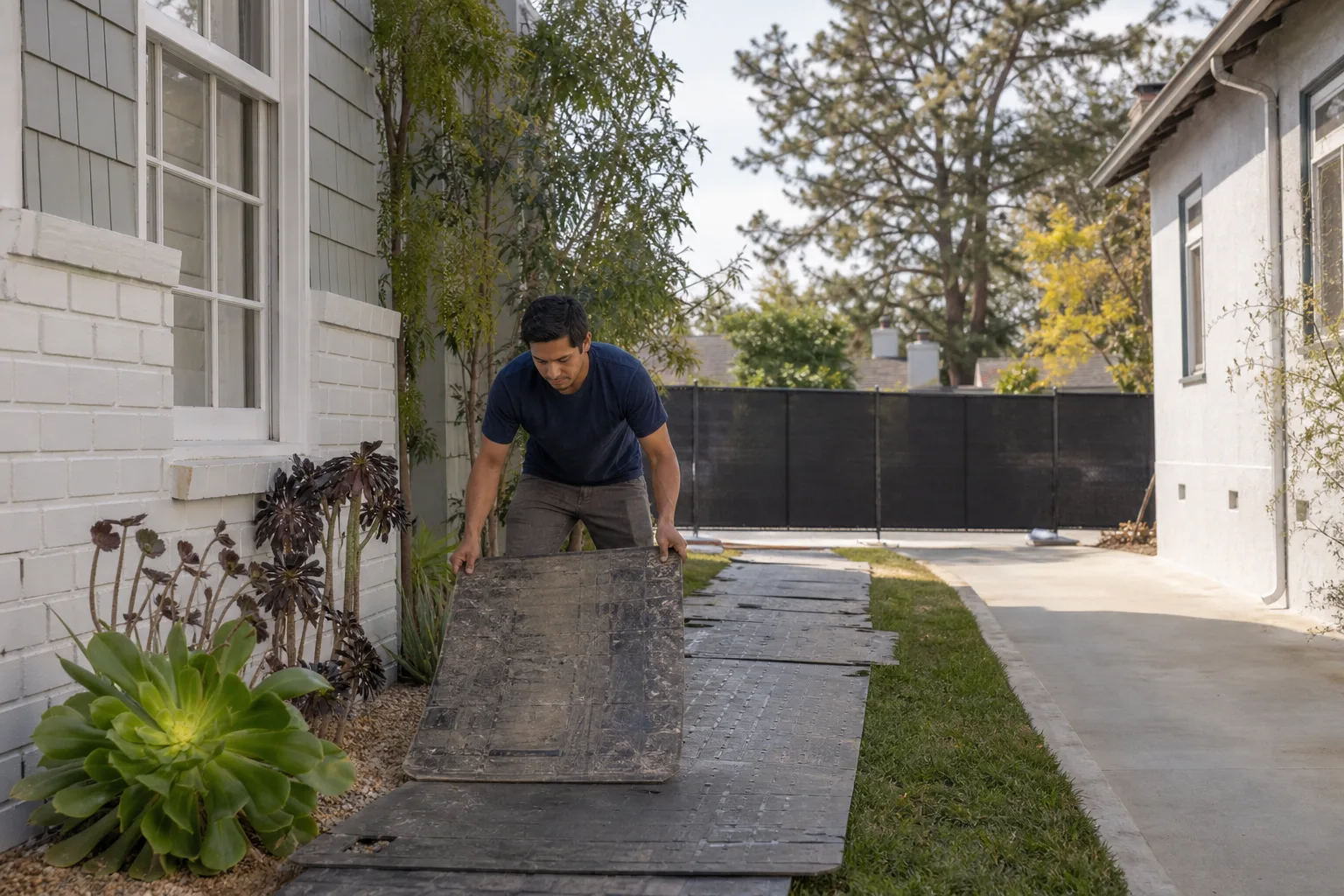
Every quote we give in Woodland Hills is a written line-item price before any work begins. You’ll see the part cost, the labor, and any disposal or site-protection charges listed separately. There are no change orders added after crews arrive, and no vague “miscellaneous” categories. The work is covered by our 365-Day Done Right Promise, which means if the repair doesn’t hold up within a year of installation, we come back and make it right at no charge.
| Component | Typical Installed Price (Woodland Hills) |
|---|---|
| Bottom track seal replacement | $220 – $350 |
| Door sweep / weatherstripping | $180 – $280 |
| Door hardware adjustment (binding/scraping) | $300 – $450 |
| Infill panel trim replacement | $450 – $700 |
| Roof flashing repair | $800 – $1,200 |
| Wall panel removal & connector replacement | $900 – $1,400 |
DIY or Call Us?
Some things you can safely check yourself. If a door is scraping, look at the gap between the door and the jamb. If it’s even on both sides but tight at the top, that’s usually a hinge or roller issue. If it’s tight on one side and wide on the other, the opening has shifted, and that’s a structural conversation, not a hardware one. Replacing a door sweep or a section of peel-and-stick weatherstripping is within reach for most homeowners, and honestly, if you’re handy, go ahead.
Where DIY goes wrong with Cover conversions is when people start removing panel screws without understanding how the panels are connected and sequenced. Cover wall panels interlock in a specific order, and pulling the wrong screw can release tension in the panel behind it. We’ve fixed several jobs in Woodland Hills where a well-intentioned homeowner created a bigger gap trying to fix a small one. If water is involved, or if the issue is at a roofline flashing, that’s work we’d rather do for you, because the failure mode is slow, hidden, and expensive when it’s wrong. Call us at (559) 249-3776 and we’ll talk through what you’re seeing before anyone schedules anything.
FAQs
Most Cover structural components have a 15 to 25 year service life in the San Fernando Valley climate, but seals, weatherstripping, and door hardware typically need attention every 5 to 8 years because the heat and UV exposure dry out flexible materials faster than the manufacturer’s averages suggest. If your unit faces south or west with no shade, plan on the shorter end of that range.
Sometimes, but it depends on what failed. Seals can’t be effectively patched, so those get replaced. Door hardware can often be adjusted rather than swapped, which is cheaper. Panel connectors that show rust should be replaced, not treated, because the corrosion has already compromised the fastener’s strength. We’ll be honest with you about which path makes sense, and we’ll show you the failed part before any decision is made.
Most single-component replacements, like a bottom track seal or door hardware adjustment, take 2 to 4 hours from arrival to clean-up. A wall panel removal and connector replacement is more involved and can take a full day, mostly because we’re careful about re-seating the panel so it lands flush and seals correctly. We’ll give you a time window before the work starts, and we protect the interior with shoe covers and drop cloths while the crew is inside.
We keep the common failure items on our trucks: bottom track seals, door sweeps, weatherstripping, shim kits, and replacement screws with the correct coating for exterior use. Less common items, like custom flashings or panel-specific trim, are ordered before we arrive so the part is ready when the crew shows up. If you’re not sure what you need, call (559) 249-3776 and describe what you’re seeing; we’ll tell you what it probably is and whether we have it on hand.
We approach a repair the way we approach every build: with a written price before any work starts, background-checked crew members in uniform, and the Cedarwell Care Promise on every visit, which includes shoe covers inside your home, drop cloths where tools are set down, pet-safe products wherever there’s a choice, and a photo of the clean-up before the crew leaves. Ben Ortega has worked on Cover, Abodu, and Dvele conversions throughout Woodland Hills, and the differences between those systems are exactly the kind of thing that matters when a part needs to fit right the first time. Call (559) 249-3776 for a free estimate, and tell us what you need the space to do, and we’ll figure out how to build that.
Written by Ben Ortega, Owner, Seedling ADU Woodland Hills at Seedling ADU Woodland Hills, serving Woodland Hills and nearby areas.