Plant Prefab Junior ADU Conversion: The Woodland Hills Owner’s Guide
We stock and install junior ADU conversion components compatible with Plant Prefab systems for Woodland Hills homes, with typical installed prices ranging from $2,800 to $6,400 depending on the specific module, finish work, and electrical scope. Most conversions are completed within 3 to 5 working days once the parts arrive at our Woodland Hills shop. What usually brings a homeowner to this page: a junior ADU that was working fine, then one day a wall panel feels loose, a corner seam opens up a quarter inch, or the minisplit stops talking to the thermostat. The space still looks complete, but something stopped feeling right.
Plant Prefab builds with precise, factory-tight tolerances. When a conversion component starts to fail, you notice it in small ways first: a door that binds, a floor transition that lifts, an electrical outlet that goes dead in one section. Woodland Hills weather is part of the story too. Summer heat expands the panels; winter rain tests the flashing and the seals. Over time, those cycles find the weak points. That is normal. What matters is catching it before a small seam becomes a water path.
Which Plant Prefab Models This Applies To
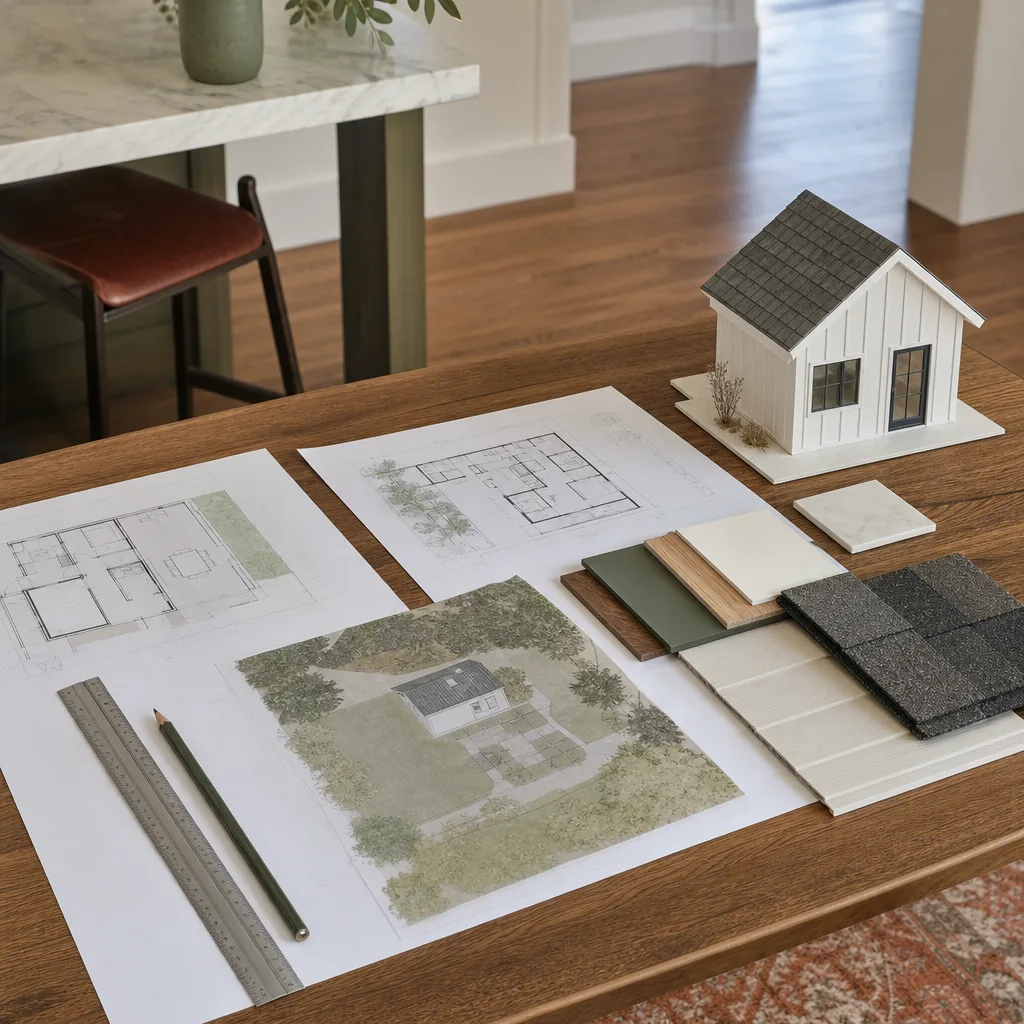
Plant Prefab’s junior ADU and accessory dwelling unit lines share a common conversion architecture across their one-bedroom and studio configurations, but there are meaningful differences between generations. Older Plant Prefab units used a 2×6 steel-frame wall cassette with exterior cladding applied at the factory; newer generations moved to a denser panelized system with integrated utility chases. The conversion components we match include wall panel connectors, corner bridging, floor-to-wall transitions, electrical subpanels sized for the junior ADU’s 60-amp feed, and the window and door trim kits that complete the indoor finish.
The practical gotcha we see in Woodland Hills: the factory label is usually on the inside face of an exterior wall, behind the drywall, or on the breaker panel door. It lists the model series, the production batch, and the panel dimensions. Bring us a photo of that label and the serial number, and we can usually confirm compatibility before we schedule the first visit. If the label is gone or painted over, we measure the panel thickness and the connector spacing. It is a 20-minute check once we’re on site.
For the OEM-vs-aftermarket question: Plant Prefab’s factory components are well made, but some aftermarket conversion parts match or exceed the OEM spec, particularly in sealant chemistry and connector corrosion resistance. Our position is simple. If the OEM part is available at a sensible price and lead time, we use it. If it is backordered for weeks, we will offer an aftermarket equivalent we have tested and installed. You see both prices in the written estimate before anything gets ordered.
We are an independent service provider and not affiliated with Plant Prefab. We also work with Abodu, Cover, and Dvele systems, which means we are familiar with how these panelized homes behave after a few California summers and winters.
Signs Your Plant Prefab Junior ADU Conversion Is Failing
- A door that swings itself open or closed. The floor-to-wall transition has shifted and the frame is no longer square. This usually traces back to a loose corner connector or a settling pier under the foundation rail. It will only get more noticeable.
- A vertical hairline crack at a wall-to-ceiling seam. The panel connector is losing tension, or the ceiling cassette has flexed against the wall panel. In Woodland Hills, seasonal expansion from summer heat pushes these seams wider, then winter moisture finds the gap.
- One dead outlet or a flickering light in a single room section. Plant Prefab runs wiring through factory-installed utility chases. A loose junction inside a wall cassette or a failed connector at the subpanel will knock out one zone at a time, not the whole unit.
- Condensation or a faint musty smell near the window trim. The flashing detail between the modular wall cassette and the window buck has lost its seal. Woodland Hills sees just enough winter rain for water to work into hairline gaps. By the time you smell it, the seal has been compromised for a while.
- Floor transition strips lifting or curling at the edges. The conversion’s floor assembly is expanding or shifting under foot traffic. This often shows up first in the hallway or the bathroom doorway, where the floor carries the most load.
None of these signs mean the unit is failing catastrophically. They mean a specific component needs attention before it cascades. That is the kind of fix we like doing best: small, precise, and done before the drywall gets involved.
Replacement Cost & What’s Included
For a junior ADU conversion in Woodland Hills, here is what we quote on a typical job:
- Panel connector replacement (single wall cassette): $380 to $740 installed
- Corner bridging and re-squaring (one corner): $520 to $980 installed
- Electrical junction repair or subpanel connector (one zone): $440 to $1,100 installed, depending on access
- Window or door trim kit replacement with new flashing and sealant: $620 to $1,240 installed
- Full junior ADU conversion refresh (all connectors, seams, trim, electrical check): $2,800 to $6,400 installed
The range depends on how much interior finish work is required and whether drywall has to be opened. If the affected connector is behind a finished wall, the price includes cutting a clean access opening, doing the work, and patching and painting to match as closely as the original finish allows. Every estimate is a written line-item price. No change orders are added once the crew starts.
All conversion work is covered by our 365-Day Done Right Promise. If the fix doesn’t hold, we come back and make it right. In writing, on every job.
DIY or Call Us?
There are a few things an owner can safely do before calling. Check the breaker panel for a tripped zone. Run a hand along the wall seams and note where gaps or cracks have changed in the last month. Take photos of the labels inside the panel door and behind the trim, if visible. Those photos help us quote accurately over the phone.
What we would not recommend: loosening panel connectors, pulling trim, or opening an electrical chase yourself. Some of these components are under tension from the modular assembly, and the electrical chases carry live circuits. A miscalculated prying motion can damage the panel, and a wrong move on a live junction is a serious injury risk. Ben Ortega and the crew would rather spend an hour getting it right than a week undoing a well-intentioned repair.
If you can see or smell the problem, call us at (559) 249-3776. We will walk through what you are seeing, confirm the likely part, and give you a written estimate before the first tool comes off the truck.
FAQs
With proper installation and Woodland Hills’ mild climate, a conversion should stay tight for 20 to 30 years. The limiting factors are the sealants at the exterior seams and the connector tension at the corners, both of which we inspect on every visit.
Often yes. If the connector or trim component is intact and the problem is sealant degradation or minor tension loss, we can repair it in place at a lower cost than full replacement. We will tell you which direction makes sense, and you’ll see both prices.
A single panel connector or trim kit typically takes one full working day, including the interior finish work. A full conversion refresh runs 3 to 5 working days, and we keep the work area clean at the end of each day.
We keep common connector sets, flashing, trim kits, and sealants in our Woodland Hills inventory. Rare or model-specific components are ordered with a lead time of 5 to 10 business days. Call us at (559) 249-3776 with your serial number and we’ll check stock while you’re on the phone.
Written by Ben Ortega, Owner, Seedling ADU Woodland Hills at Seedling ADU Woodland Hills, serving Woodland Hills and nearby areas.