Plant Prefab New Detached ADU: The Woodland Hills Owner’s Guide
A new detached ADU built around a Plant Prefab panel system typically costs between $180,000 and $320,000 in Woodland Hills depending on site work, utility runs, and finish level, and we quote it in writing before anything gets ordered. Owners usually call us when they’ve outgrown the original panel configuration, when a foundation or tie-down detail wasn’t handled correctly the first time, or when they’re ready to add a second detached unit and want the Plant Prefab envelope done right from day one. The most common discovery point is during a rainy season: water shows up at the panel joint, a corner settles, or the original installer never addressed the slope between the house and the new ADU.
We’re an independent ADU builder in Woodland Hills, not affiliated with Plant Prefab, but we install and service these panel systems regularly. That means we know which panel generations use which connector hardware, what the Woodland Hills hillside lots do to a new foundation, and what a proper tie-down inspection should catch before the city inspector ever arrives.
Which Plant Prefab Models This Applies To
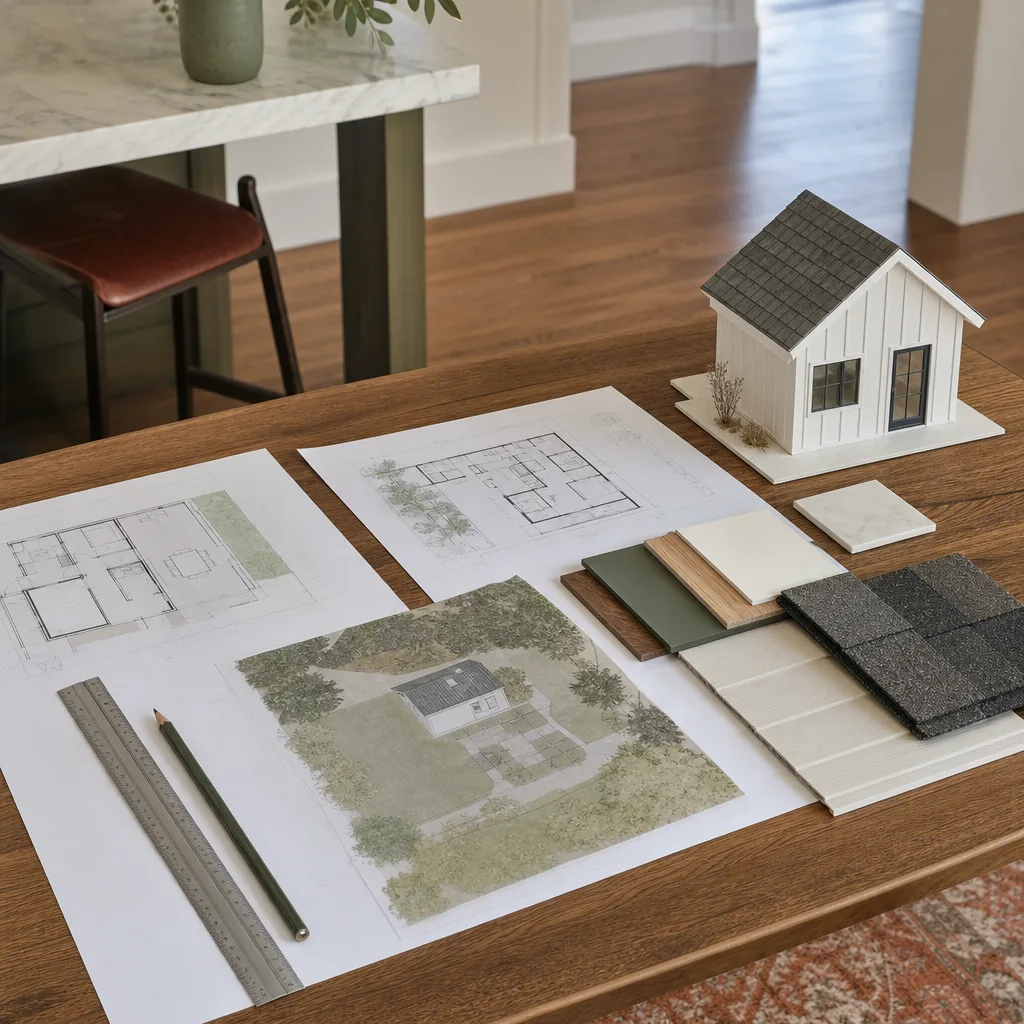
Plant Prefab has shipped several panel and module generations over the years, and the compatibility picture changes depending on which one you have. The current LivingHome panel system uses a steel-frame chassis with factory-installed sheathing, and the connector points are numbered on the shop drawings that came with your permit set. Older Plant Prefab units, including early LivingHome modules and custom panel builds, used a different bolt pattern at the marriage line, and you cannot assume a part from the current catalog will match a 2018-era panel.
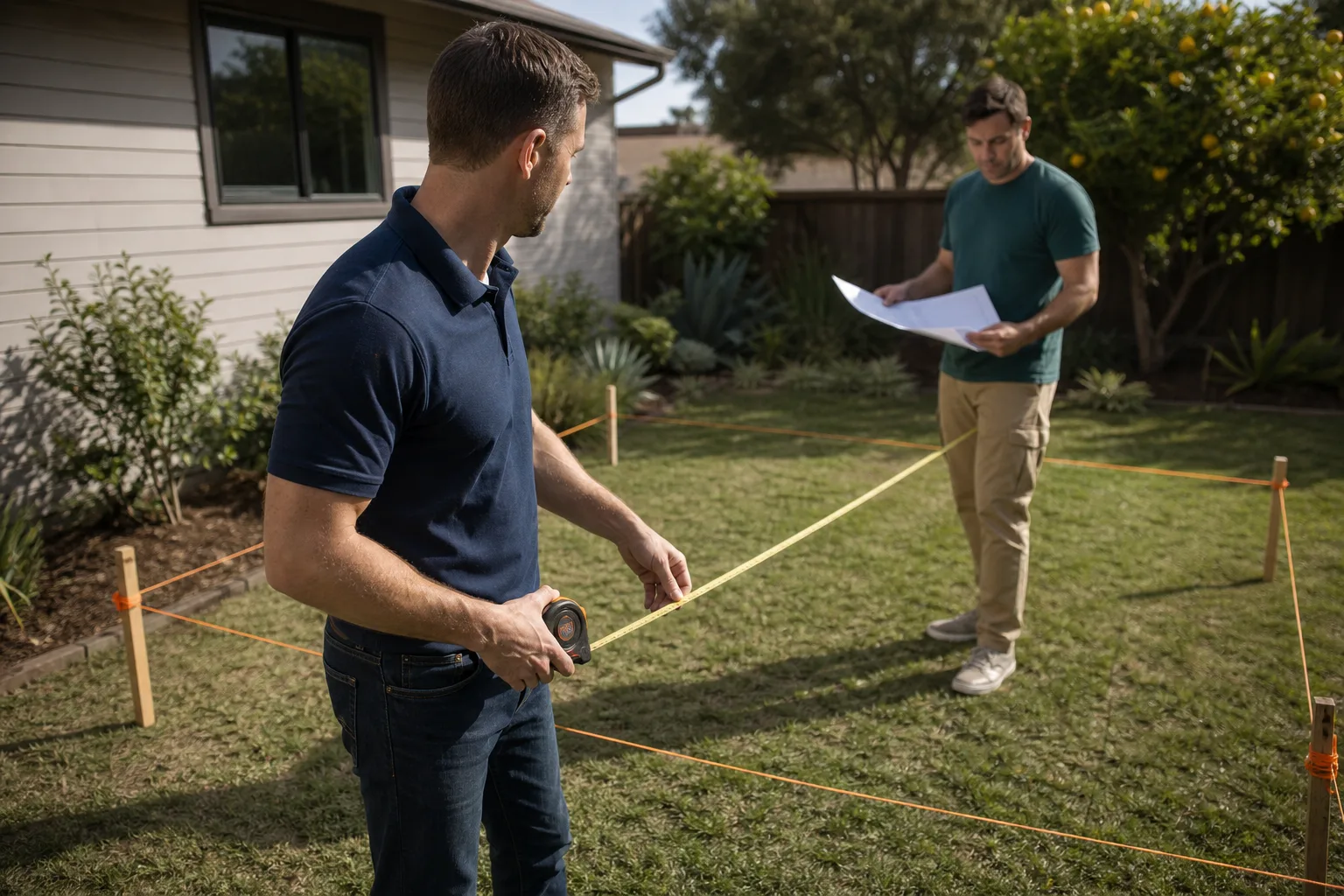
Here’s what to check on your paperwork before you buy anything: the panel ID tags are usually printed on a small aluminum plate near the bottom track inside each wall cavity, and the shop drawing set will list the connector series by number. If you’re missing those drawings, we can pull dimensions and photograph the hardware during the estimate visit, then cross-reference against Plant Prefab’s current spec sheets. For most Woodland Hills owners, the OEM panel-to-foundation connector is worth matching exactly. On interior framing and finish materials, a quality aftermarket equivalent from Simpson Strong-Tie or MiTek is often stronger and cheaper, and we’ll show you both prices before you choose.
Signs Your Plant Prefab New Detached ADU Is Failing
- Doors that stick in summer and swing freely in winter. Woodland Hills clay soil expands and contracts with rain, and a panel system that wasn’t tied down to a properly engineered foundation will move enough to rack a door frame. The panel itself is usually fine; the connection to the ground is the problem.
- Water staining at the panel joint, especially after a Santa Ana wind storm. Wind-driven rain finds the smallest gap in panel-to-panel flashing. If the original installer skipped the sealant backer rod or used the wrong flashing profile, the leak starts inside the wall and shows up months later.
- A visible gap between the bottom track and the foundation stem wall. This is the one we see most often on hillside lots in Woodland Hills. It means the anchor bolts were either not torqued to spec or the foundation was poured out of level, and the panel is now sitting on a high point.
- Drywall cracks in a straight line from corner to corner. On a panel system, a perfectly straight crack usually traces a structural connection that’s moving, not a framing member that’s shrinking. If the crack follows the panel seam, the panel is flexing.
- Condensation or dampness inside wall cavities near the bottom plate. On sloped Woodland Hills lots, groundwater moves downhill through the soil and wicks up behind the panel. A missing or damaged sill gasket lets moisture sit against the steel frame, and you’ll smell it before you see it.
Replacement Cost & What’s Included
A Plant Prefab panel-to-foundation repair or replacement in Woodland Hills runs between $2,800 and $8,500 for most single-panel jobs, and a full new detached ADU using the Plant Prefab system lands in the $180,000 to $320,000 range depending on the lot. The panel hardware itself is usually $600 to $1,900 of that repair figure; the rest is the labor to lift and re-seat the panel, verify the anchor points, and close everything back up with the correct flashing and sealant.
Every quote from our crew includes the parts, the labor, the permit work if the city requires it for structural changes, and the written warranty on the repair. What drives the price up is access: a panel on a downslope side of the lot, a tight side yard, or a foundation that needs new anchor bolts set in epoxy rather than reused holes. You’ll see that line item in writing before we start, and the price will not change unless the inspector finds something hidden inside the wall. That’s the whole point of how we price: you know Tuesday’s number before Tuesday arrives.
DIY or Call Us?
Lifting a factory-built wall panel is not a weekend project, and we’ll say that plainly. A Plant Prefab panel can weigh several hundred pounds, and when it’s moving, it can crush, pinch, or shift faster than a person can react. The safe work starts with a structural engineer’s letter, a lifting plan, and a crew that knows where the panel’s center of gravity sits.
What an owner can safely do is check the visible connection points: look for rust on the anchor bolts, run a level along the bottom track in a few spots, and photograph any fresh cracks with a date stamp. Those photos help us understand the movement before we arrive. If you’re seeing water or a growing gap, call us at (559) 249-3776. We’ll come out, look at the panel and the ground it sits on, and tell you honestly what needs to happen next. You can tell me what you need the space to do, and we’ll figure out how to build that.
FAQs
A properly installed Plant Prefab panel system lasts 50 to 70 years in Woodland Hills, but the failure point is almost never the panel itself. It’s the connection hardware, the flashing, and the foundation. Those components have a 15 to 25 year lifespan in our climate, especially with clay soil movement and Santa Ana wind-driven rain. When we inspect an older unit, we’re looking at the anchors before anything else. If you’re noticing movement and want an honest assessment, call (559) 249-3776.
Yes, most panel connections can be repaired without replacing the panel. We re-seat the panel, install new anchor hardware, and replace the flashing and sealant that failed. The panel itself rarely needs to be swapped unless it’s been compromised by long-term water exposure or impact. We’ll always tell you if repair makes sense before we quote a replacement.
A single-panel repair typically takes one to three days on site, plus whatever time the city needs for a permit review if structural changes are involved. The lifting and re-seating portion is usually done in a single day, and we coordinate with your family so the work doesn’t disrupt school drop-off or pet routines.
We stock the common Plant Prefab connector plates, anchor bolts, sill gaskets, and flashing profiles that Woodland Hills jobs need most often, and we carry equivalent parts for Abodu, Cover, and Dvele systems as well. Panel-specific hardware is ordered per job after we identify your panel generation. If it’s on our truck, it goes in the same day. If not, we’ll give you an accurate lead time before we start.
If your Plant Prefab ADU in Woodland Hills is showing signs of movement, water intrusion, or settling, call Seedling ADU Woodland Hills at (559) 249-3776. We’ll come out, measure what’s happening, and give you a written price that covers the parts, the labor, and the care of your home while we work. No surprises, no pressure, just a clear plan from Ben Ortega and the crew.
Written by Ben Ortega, Owner, Seedling ADU Woodland Hills at Seedling ADU Woodland Hills, serving Woodland Hills and nearby areas.